
Looking at online gaming from the standpoint of a team player, the ways groups can form on platforms like Cleopatra Slot(s) are worth a closer look cleopatraslot.uk. For teams across the UK, from casual friend circles to serious competitive syndicates, selecting the right setup makes all the difference. It influences how you engage, plan, and appreciate the game together. This isn’t just about spinning reels alone anymore; it’s about shared goals and a bit of digital camaraderie. Below, I’ve detailed seven practical ways UK teams can arrange themselves. We’ll look at how each one works, its pros and cons, and what it means for players navigating the UK’s specific gaming scene.
Understanding the Fundamental Concept of Collaborative Play in Slot Gaming
What do we really imply by “collaborative play” on a slot gaming site? Slots have always been a individual activity, but internet versions have woven in social elements. On Cleopatra Slot(s), participating as a team doesn’t involve everyone takes the very same online lever. Instead, it’s about harmonizing your objectives. You might pool funds for enhanced bonuses, tackle level-based challenges as a collective, or simply share the joy of a victory in a dedicated chat. This transformation converts a personal game into a collective experience. For numerous in the UK, it draws on the same essence as a bar quiz or a fortnightly football pool—that feeling of friendly, shared interest. Getting the structure right counts. A solid structure keeps everyone engaged and changes what might be a isolated pastime into something further interactive.
Establishing Mutual Goals and Joint Targets
Each strong team starts with a well-defined, common objective. On Cleopatra Slot(s), what your group aims to achieve will steer you toward the best structure option.
Key Goal Types for UK Groups
From what I’ve noticed, UK teams usually assemble around one of three main key goals. Firstly are the social groups, present for the conversation and a touch of fun. Then en.wikipedia.org are the tactical crews, concentrated on unlocking premium bonuses and climbing the game’s levels together. Lastly, you have the contest league teams, propelled by scoreboard rankings and competition wins. Identifying your group’s type is that vital first step. Getting it wrong leads to misaligned anticipations about time and work. The platform in itself offers features for each specific style, but it’s down to the team organizers to select the structure that suits their drive.
Option 3: Community Team Recruitment for Tournament Play
If your key focus is advancing tournament rankings, then leveraging the platform’s community recruitment boards is a critical tactic. Cleopatra Slot(s) often runs tournaments with public leaderboards where scores are tracked by team. This group setup is fundamentally public and dynamic. A UK team captain may post an ad looking for members who meet certain criteria—a certain player level, a base average bet, or availability during UK evenings for coordinated sessions. On the other side, single players can shop around for an available team that aligns with their competitive ambition.
Analysing the Recruitment and Merging Process
The hiring phase needs careful handling. The finest public teams aren’t just arbitrary collections of top players; they are coordinated units. I judge this by how they communicate (scheduled voice chats are a good sign), how they distribute resources (like focusing bonus buys on one game during a tournament), and how they aid members who have an poor day. For a UK team, coordinating time zones is less complicated than for worldwide groups, but you still have to plan around work hours and bank holidays. The danger here is participant fluctuation. Some members may hop between teams after each tournament, chasing the top rank. Creating a core culture of dedication and honest play is what maintains a public team prosperous and respected over the extended period.
Option 5: The Cross-Platform Community Bridge
A unique and expanding approach involves building a team that lives both inside Cleopatra Slot(s) and on external social platforms. This Cross-Platform Community Link is less about a specific in-game feature and instead about a deliberate formation choice. A team may use a Discord server as its main hub, with custom bots to track wins, schedule sessions, and share guides, while the in-game team system processes official tournament entries and bonus collection. This method delivers deep organisational power and bolsters community bonds.
For UK teams, using platforms like crunchbase.com Discord or a private forum enables rich, flexible conversation that fits around jobs and family. It’s a great space for sharing educational content, like breakdowns of a slot’s RTP or volatility, which members can review whenever they like. The bridge model is also resilient. If one platform has problems, the community survives on another. The drawback is the extra setup effort and the need to moderate several spaces at once. It also presupposes a certain level of digital comfort from the team, though most UK gaming enthusiasts have that. The reward is a deeply connected, strategically nimble group that can respond quickly to new game features or tournament rules.
Alternative 2: The Exclusive Syndicate or Group
When a team seeks more organization and a feeling of identity, creating a Exclusive Syndicate or Club is the natural next step. This means establishing a private, named team inside the game, typically with its own emblem or symbol. Entry is by invite or consent from the founder (sometimes known as a “Captain”), which builds a feeling of prestige and collective aim. This approach is inclined to appeal to UK teams who are committed to strategic play and regular activity. It enables you to establish group-wide targets, like completing a common bonus bar or targeting specific tournaments. A well-defined internal hierarchy—with creators, managers, and participants—assists delegate tasks. A member might arrange play schedules, while another manages a fund for competition costs.
Don’t overlook the influence of a team name and logo. They foster group morale and commitment. For UK players used to sports supporters’ clubs or leisure clubs, this model appears recognisable. It formalises dedication without becoming stiff. The downside is the requirement for ongoing oversight. A syndicate with passive managers will halt rapidly, so picking trustworthy administrators who embrace the club’s direction is essential for maintaining the group thriving and pleasurable.
Option 1: A Relaxed Friend Group Connection
The simplest way to begin is this Informal Social Circle Link-Up. This is when friends, family, or coworkers connect their accounts via the platform’s simple “friend” or “invite” function. There is no proper hierarchy or intricate join process. It’s just an virtual version of an existing real-world group. For UK teams, the major benefit is the straightforward setup and the built-in trust among members, which keeps things relaxed. Most chatter happens elsewhere on apps like WhatsApp or Discord, with the in-game chat as a addition. This option is perfect for groups whose chief objective is socialising, exchanging win captures, and perhaps setting up light-hearted internal competitions. The disadvantage is an absence of structure. If your group wants in-depth progress monitoring or organised resource pooling, the casual model’s built-in tools might appear too basic.
- Accessibility: It demands very little administrative effort, perfect for occasional participants.
- Pre-existing Trust: As everyone is already acquainted with each other, there is less requirement for moderation.
- Freedom: Members can come and go without pressure, gaming at their own rhythm.
- Limited Tools: You are unlikely to obtain the advanced collaborative features that more structured groups benefit from.
Choice 4: Role-Based Specialisation within a Group
Expert squads often get an advantage by delegating specific positions, a advanced approach that transcends basic participation. In such teams, members assume supporting tasks depending on their style, bankroll, or skills. Consider a UK syndicate on Cleopatra Slot(s) with ” Scouts ” who evaluate new game variants for risk level, ” High-Stakes Players ” who handle the big-stake tournaments, ” Grinders ” who regularly feed minor amounts into the group’s progress bar, and ” Tacticians ” who study event structures and reward charts.
This work split improves overall team efficiency. It leverages each member’s strengths, transforming a casual group into an organized unit with a defined game plan. Making it work demands better coordination and information sharing than basic approaches. It also requires a captain with solid organizational skills to make sure each position is covered and every person perceives their input is valued. For UK teams with a combination of recreational and serious players, this enables all members engage in a fashion that suits their preferences and schedule. It prevents less engaged members feeling like dead weight, and prevents devoted players from feeling slowed down.
- Determine Player Skills: Consult your teammates to understand individual gaming habits, risk comfort, and free time.
- Establish Clear Positions: Create specific, separate roles with their own tasks.
- Establish Messaging Groups: Configure specific chat rooms for each function to exchange information and insights.
- Assess and Rotate: Check in periodically to see if the structure is functioning, and let members change roles if they desire a change.
Choice 6: Temporary Event-Oriented Work Groups
Not each squad has to endure indefinitely. The Temporary Event-Based Work Group is a versatile setup created for a single, temporary goal. This can be participating in a weekend “Pharaoh’s Treasure Hunt,” joining a one-off competition with special rules, or aiming to unlock a collective reward that requires an enormous amount of spins. Participants from diverse ongoing teams, or even lone players, may team up for this short-term boost.
Setting up a Short-Term Alliance for Greatest Impact
The key to a good work group is a clear, very clear target and a definite end date. Management ought to be straightforward and concentrated on operations, such as organizing gameplay during peak bonus hours (a Saturday night in the UK, such as). Messages must be short and often for the duration of the event, generally via a temporary group chat. In my opinion, this model offers valuable takeaways in project-based teamwork. It can also serve as a trial run for participants contemplating a permanent combination. For UK players with limited time, the brief commitment is attractive. It permits periods of focused group play without long-term commitments, fitting easily around other duties while still providing the excitement of a group accomplishment.
Option 7: A Mentor-Led Education Group
The last option we’ll consider is a Expert-Guided Training Circle, that centers on skill development and safe gaming rather than just competition or conversation. In this model, a seasoned player or some experienced players coach less experienced or less assured players. The focus is on learning game mechanics, wise bankroll management for slots, interpreting RTP data, and understanding healthy play habits. Given the UK’s strong focus on player protection, this formation has unique relevance.
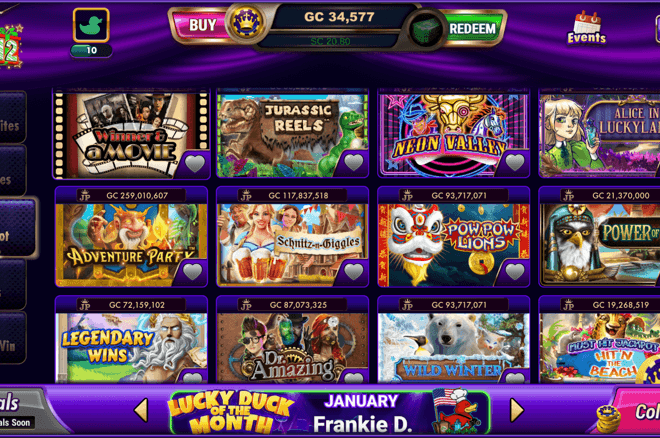
This type of pod might run scheduled sessions during which members share their gameplay, examine bonus feature results, and establish personal limits. The mentor offers guidance and insight, as opposed to financial advice, creating a more secure and better informed environment. This format can work inside any of the different structures, but its special goal distinguishes it. It helps build a more educated and enduring player base, which benefits both the participants and the wider Cleopatra Slot(s) community. For UK teams that seek to promote responsible gaming, starting a learning pod within a larger syndicate is a wise choice. It aligns with national safer gambling goals while enabling the whole team more astute and more strategic.
